Dental Bridges in Orland Park, IL – Restore Your Smile & Function
At Absolute Dental of Orland Park, we understand how missing teeth can affect your confidence, your bite and even your oral health. That’s why we offer high-quality dental bridge solutions tailored to your needs, restoring your smile, chewing ability and overall oral function.
Why Choose a Dental Bridge?
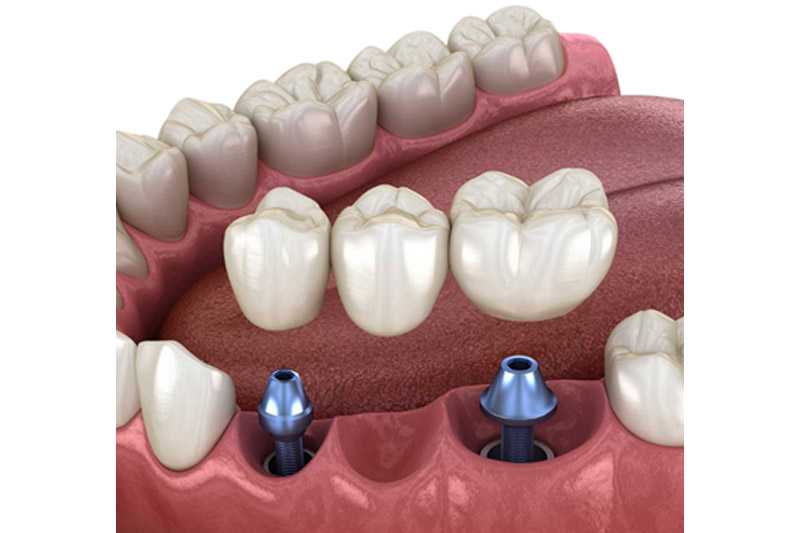
A dental bridge fills the gap created by one or more missing teeth. It consists of a false tooth (or teeth) anchored by adjacent natural teeth or implants. The benefits include:
- Restored appearance and a natural-looking smile
- Improved ability to chew and speak properly
- Prevention of remaining teeth from shifting into the empty space
- Re-balanced bite and pressure distribution
- Support for long-term oral health
When you’re missing a tooth due to decay, gum disease, injury or genetics, nearby teeth can drift into the empty space and the opposite tooth may move as your bite seeks its match. These shifts can lead to discomfort, chewing problems and even pain in the jaw. At our practice, we stop these issues before they compound.
Types of Dental Bridges We Offer
Depending on your unique situation, our dentist may recommend one of the following bridge types:
- Traditional fixed bridge: Two crowns fitted on the natural teeth on either side of the gap serve as anchors for the false tooth. This is the most common type of dental bridge.

- • Implant-supported bridge: The bridge is secured by one or more dental implants instead of crowns or wings. This is a strong option but usually involves surgical placement and healing time.
What to Expect During Your Treatment
When you choose a dental bridge at our practice:
1. Initial Evaluation
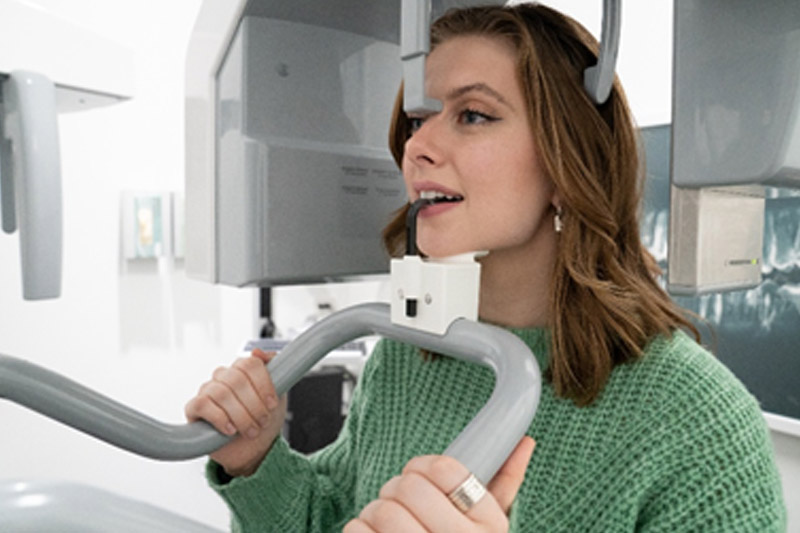
We examine your oral health, bite alignment and the condition of adjacent teeth. X-rays and possibly a 3D scan may be used.
2. Preparation Phase
For a fixed or cantilever bridge, the adjacent teeth are prepared (shaped) to accommodate crowns. Implants are placed in the implant-supported option.
3. Impression/Molding
A precise impression of your teeth helps us craft a bridge that fits beautifully and functions naturally.
4. Temporary Restoration
While the permanent bridge is being fabricated, we may fit a temporary restoration to maintain appearance and comfort.
5. Final Placement
Once ready, the permanent bridge is checked for fit, bite and aesthetics then bonded or cemented in place.
6. Aftercare & Maintenance
Good oral hygiene and routine checkups are essential to prolong the life of your bridge. We’ll provide guidance for cleaning under and around the bridge.
Life After Your Bridge: Care Tips & Longevity
- Brush and floss daily, paying special attention to the span of the bridge.
- Use interdental brushes or floss threaders as recommended by our hygienist.
- Attend routine professional cleanings and exams at our Orland Park office.
- Avoid chewing extremely hard objects or using teeth as tools.
- If you grind or clench your teeth, ask us about a night guard to protect your restoration.
Frequently Asked Questions (FAQ) | Absolute Dental
With proper care and regular dental visits, a dental bridge can last 10-15 years or more. Good hygiene and protecting the supporting teeth are key.
Yes. Modern materials and expert craftsmanship allow dental bridges to look and feel very much like natural teeth. Our team will ensure your bite and appearance are comfortable and seamless.
Most patients experience minimal discomfort. For traditional bridges the adjacent teeth are prepared under local anesthesia. For implant-supported bridges, while implant placement is a surgical procedure, we offer sedation options and focus on your comfort.
If you have adequate bone structure and good oral health, an implant-supported bridge may be a strong option. Our team evaluates your bone, gums and overall health to determine suitability.
Costs vary depending on the type of bridge, number of missing teeth, materials used and whether implants are involved. During your consultation at our Orland Park clinic we’ll review your options, insurance coverage and financing alternatives.
A bridge uses your adjacent teeth (or implants) for support and fills the gap directly. An implant replaces a missing tooth by inserting a fixture into the bone and then restoring the tooth above. A denture is a removable appliance that replaces many or all missing teeth. We’ll help you choose based on your needs, budget and long-term oral health.
The health and strength of the supporting teeth are critical. That’s why we assess and treat any existing dental issues before placing a bridge. If a supporting tooth fails, the bridge may need to be re-evaluated and possibly replaced.
Ready to Fill the Gap?
If you’re missing a tooth in Orland Park, IL and are seeking a trusted dental team, call 708-326-1175 or contact Absolute Dental today. We’ll help you explore the best solution for your smile and oral health. Don’t let missing teeth compromise your confidence or wellbeing—call now and keep smiling!